

When we talk about unique culture perspectives, we’re diving into the rich tapestry of how people around the world see, interpret, and interact with life. Every culture has its own lens shaped by history, geography, beliefs, and traditions. Understanding these perspectives allows us to connect with people more deeply, broaden our worldview, and appreciate the diversity that makes humanity so fascinating.
Imagine sitting across from someone from a completely different culture. The way they celebrate, communicate, or even handle everyday tasks might be very different from your own experience. These differences aren’t just curiosities—they reflect deeply held values and ways of seeing the world. Exploring unique culture perspectives is like stepping into someone else’s shoes and viewing life through a new lens.
Why Unique Culture Perspectives Are Important
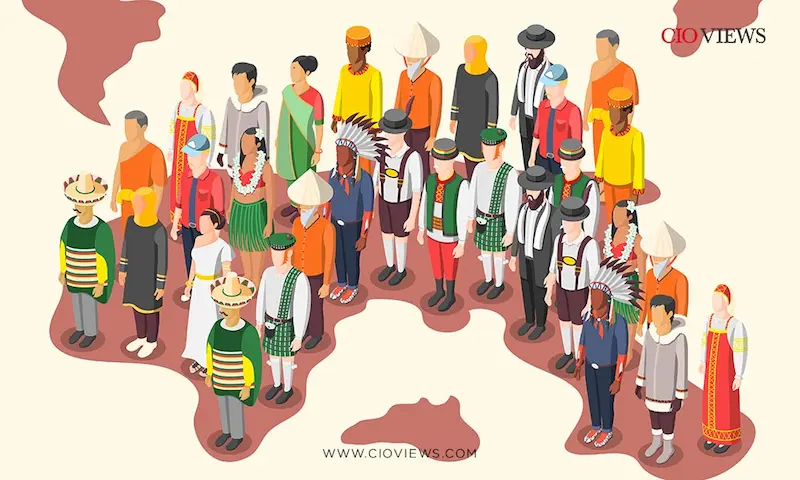
Understanding unique culture perspectives is not just an academic exercise—it has practical and emotional benefits:
- Builds Empathy: When you understand why people behave a certain way or value particular traditions, it’s easier to relate to their experiences.
- Enhances Communication: Recognizing cultural differences helps avoid misunderstandings, whether in personal relationships, workplaces, or social situations.
- Encourages Creativity and Innovation: Exposure to different cultural mindsets can inspire new ideas, problem-solving approaches, and innovations.
- Promotes Inclusivity: Respecting and appreciating cultural differences strengthens communities and fosters mutual understanding.
By understanding these perspectives, we can navigate our increasingly interconnected world with sensitivity and awareness.
Examples of Unique Culture Perspectives
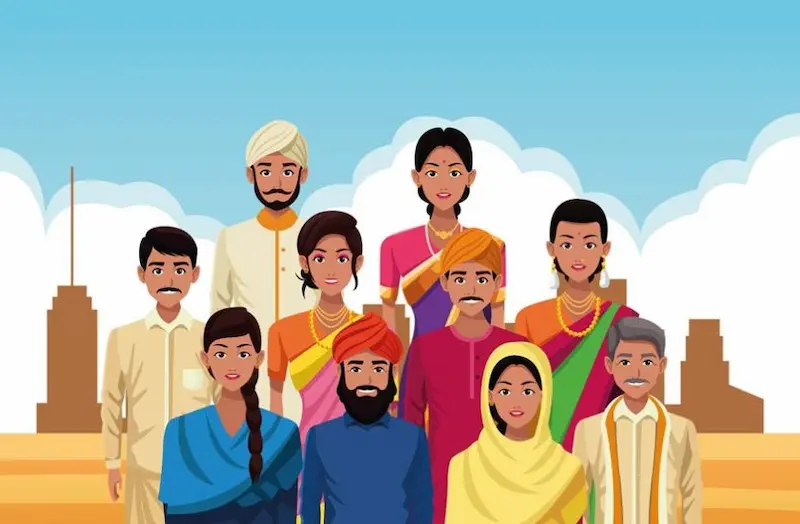
Here are some real-life examples that illustrate the diversity of cultural viewpoints:
1. Time and Punctuality
- In many Western cultures, being on time is a sign of respect and professionalism.
- In contrast, in countries like Mexico or India, time is often seen as flexible, and social interactions or events may start later than scheduled.
Understanding this difference can prevent frustration and help adapt expectations when interacting across cultures.
2. Family and Social Structures
- In collectivist societies such as Japan, China, or India, family and community play a central role in decision-making.
- In individualist cultures like the U.S. or many European countries, personal choice and independence are prioritized.
Recognizing these dynamics helps in building better relationships both personally and professionally.
3. Communication Styles
- Some cultures favor direct, straightforward communication (e.g., Germany, Netherlands).
- Others rely on indirect communication, reading between the lines, and valuing harmony (e.g., Japan, Thailand).
Being aware of these styles can prevent misunderstandings in both personal and work environments.
4. Celebrations and Traditions
- Festivals, rituals, and ceremonies reflect a culture’s core values.
- For example, Diwali in India symbolizes the victory of light over darkness, emphasizing family and community.
- Japan’s tea ceremony focuses on mindfulness, patience, and respect.
Participating in or learning about such traditions deepens appreciation for cultural diversity.
5. Work Ethic and Life Balance
- In some cultures, long working hours are a sign of dedication (e.g., South Korea, Japan).
- In others, maintaining a work-life balance is crucial for health and happiness (e.g., Scandinavia).
Recognizing these differences helps in global collaboration and managing expectations.
How to Explore and Appreciate Unique Culture Perspectives
You don’t need to travel internationally to gain cultural insights. Here are practical ways:
- Read and Watch: Books, documentaries, and films provide rich narratives about traditions, beliefs, and daily life in different cultures.
- Attend Local Cultural Events: Festivals, art exhibitions, and performances showcase unique cultural identities.
- Engage in Conversations: Talking with people from diverse backgrounds gives firsthand understanding of their experiences.
- Try New Practices: Cooking traditional meals, learning simple phrases in another language, or understanding local etiquette can provide immersive cultural experiences.
- Travel Mindfully: If possible, travel with the goal of learning rather than just sightseeing. Observe, ask questions, and participate respectfully.
You may also like to read this:
Cultural Insights Articles: Understanding Global Customs
Global Culture Stories: Explore Traditions & Festivals
Discover Traditions And Customs Insights Across The World
Explore Heritage And Culture News Around The World
Cultural Awareness Tips: Thrive In A Multicultural World
Challenges in Understanding Different Cultural Perspectives
While exploring unique culture perspectives is enriching, it comes with challenges:
- Stereotypes and Assumptions: Avoid generalizing based on limited exposure. Individual experiences can differ widely within a culture.
- Cultural Shock: Encountering unfamiliar customs may feel overwhelming. Patience and an open mind help ease adjustment.
- Miscommunication: Language barriers or nonverbal differences can cause confusion, so clarity and sensitivity are essential.
- Ethnocentrism: Assuming your cultural norms are superior can hinder understanding and acceptance of others.
Overcoming these challenges is part of the growth process and deepens cross-cultural understanding.
Benefits of Embracing Unique Culture Perspectives
- Personal Growth: Experiencing different ways of life expands your worldview and self-awareness.
- Better Relationships: Understanding cultural nuances strengthens personal and professional connections.
- Global Awareness: Awareness of international customs and perspectives makes you a more informed, compassionate global citizen.
- Enhanced Problem-Solving: Exposure to diverse thinking styles encourages creative solutions and innovative approaches.
By embracing these perspectives, we not only enrich our own lives but also contribute to a more harmonious and inclusive society.
Conclusion
Exploring unique culture perspectives is a journey of curiosity, empathy, and personal growth. By stepping outside your cultural comfort zone, you learn to appreciate the ways others live, think, and celebrate life. Whether it’s through conversations, reading, travel, or participation in cultural traditions, every experience helps broaden your horizons.
In today’s interconnected world, understanding and respecting unique culture perspectives is more important than ever. It allows us to build meaningful relationships, work collaboratively across borders, and celebrate the rich tapestry of human diversity.
FAQs
Q1: What does “unique culture perspectives” mean?
A1: It refers to the different ways people from various cultures view the world, shaped by their history, traditions, beliefs, and social norms.
Q2: How can I experience unique culture perspectives without traveling?
A2: You can engage with books, films, cultural events, conversations, and online communities from diverse cultures.
Q3: Why is it important to understand different culture perspectives?
A3: Understanding other perspectives promotes empathy, reduces misunderstandings, improves communication, and fosters inclusivity.
Q4: Can learning about culture perspectives improve my career?
A4: Yes! Awareness of cultural differences enhances collaboration, teamwork, and problem-solving in international and multicultural workplaces.
Q5: How can I avoid stereotyping when exploring other cultures?
A5: Approach each culture with curiosity, listen actively, and remember that individual experiences may differ from general cultural norms.