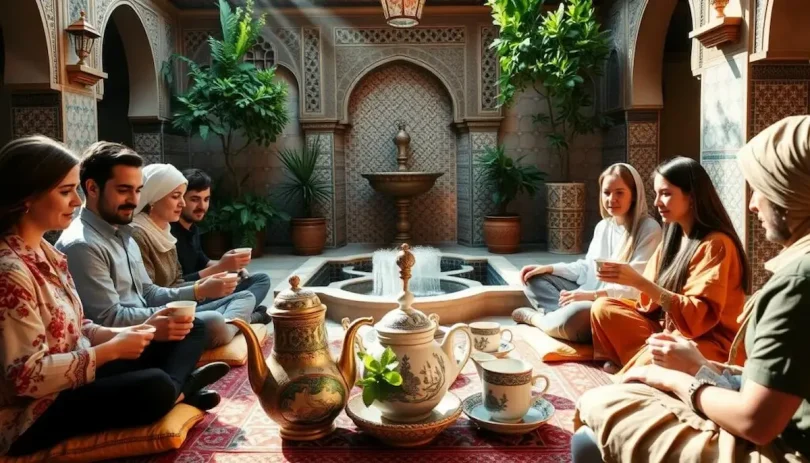

When we explore traditions and customs insights, we’re looking at the intricate ways in which communities express their identity, beliefs, and history through practices that have been passed down through generations. These traditions and customs are not just rituals—they are living stories of human connection, culture, and values. From the way people celebrate festivals to the subtle manners of greeting one another, customs reflect what a community holds dear and how it preserves its heritage.
Understanding traditions gives us a window into people’s lives and their social fabric. It helps us appreciate why communities celebrate, mourn, or behave in certain ways. It also fosters empathy, as we see how these customs guide everyday behavior and relationships.
Why Traditions and Customs Matter
Traditions and customs play a vital role in shaping societies. Here’s why they matter:
- Cultural Identity: They define who we are. For instance, wearing traditional attire during cultural festivals or preparing ancestral recipes helps individuals connect with their roots.
- Social Cohesion: Shared customs bring people together, strengthen family bonds, and create a sense of belonging.
- Moral and Ethical Values: Many customs teach principles like respect for elders, generosity, honesty, and compassion.
- Preservation of History: Through customs, stories of past generations are carried forward, keeping history alive in the present.
Without traditions, communities risk losing touch with their identity. In a globalized world, customs act as anchors, reminding us of our heritage while allowing us to celebrate diversity.
Types of Traditions and Customs
1. Festive Traditions
Festivals are the most visible and colorful forms of traditions. They often combine rituals, music, dance, food, and symbolic acts. For example:
- Diwali in India: Lighting lamps symbolizes victory over darkness.
- Thanksgiving in the U.S.: A celebration of gratitude and harvest.
- Chinese New Year: Dragons, red envelopes, and family gatherings represent luck, prosperity, and family unity.
Festive traditions are more than celebrations—they reflect history, beliefs, and societal values.
2. Family and Social Customs
Family traditions often revolve around life milestones, like:
- Birthdays: Celebrated with cakes and gifts as a rite of passage.
- Weddings: Ceremonies filled with rituals, blessings, and symbolic acts.
- Coming-of-Age Ceremonies: Events like bar mitzvahs, quinceañeras, or graduations mark significant life transitions.
Social customs guide interactions, such as greetings, hospitality, and respect for elders. For instance, bowing in Japan or shaking hands in Western countries demonstrates cultural etiquette.
3. Religious and Spiritual Traditions
Religious practices are central to many cultures. They may include:
- Prayers and Offerings: Daily or seasonal acts of devotion.
- Pilgrimages: Journeys to sacred sites to fulfill spiritual duties.
- Meditation and Rituals: Methods to connect with a higher power and find inner peace.
These customs provide spiritual guidance and strengthen community bonds, fostering moral values and shared beliefs.
4. Culinary Traditions
Food is a vital cultural marker, and culinary customs tell stories about a community’s history, geography, and economy. Examples include:
- Mooncakes during the Mid-Autumn Festival: Symbolize family unity and harvest.
- Eid feasts: Represent generosity, gratitude, and celebration after fasting.
- Thanksgiving meals: Reflect abundance and shared gratitude.
Traditional recipes often carry symbolic meaning, preserving flavors and stories that are centuries old.
You may also like to read this:
Cultural Insights Articles: Understanding Global Customs
Global Culture Stories: Explore Traditions & Festivals
Explore Heritage And Culture News Around The World
Cultural Awareness Tips: Thrive In A Multicultural World
How to Gain Insights into Traditions and Customs
Learning about customs isn’t just about observing—it’s about immersing yourself respectfully. Here’s how:
- Travel and Observe: Experiencing festivals, ceremonies, and daily routines firsthand is invaluable. Participating respectfully allows you to see the deeper meaning behind each custom.
- Talk to Locals and Elders: Conversations with community members provide context, stories, and nuances that books often miss. Elders are especially insightful.
- Study Literature and Media: Books, documentaries, and cultural blogs highlight customs, explain origins, and explore their evolution over time.
- Practice Cultural Sensitivity: Always approach customs with respect. Avoid making assumptions or judgments, and follow guidance when participating in rituals.
The Evolution of Traditions
While traditions are rooted in the past, they evolve with time. Globalization, migration, and technology influence customs, creating new hybrid practices. For example:
- Modern weddings may blend traditional rituals with contemporary celebrations.
- Festivals are now often celebrated virtually or adapted for social media, making them accessible to a global audience.
Understanding this evolution helps us appreciate both the resilience and adaptability of human culture.
The Importance of Preserving Traditions
Preserving traditions is essential for cultural diversity and identity. As the world becomes more interconnected, some customs face the risk of fading. By learning, practicing, and sharing traditions:
- Communities maintain their historical and cultural narratives.
- Younger generations gain a sense of pride and belonging.
- Global understanding and empathy increase as we appreciate different ways of life.
Conclusion
Traditions and customs insights offer more than just knowledge—they provide a deep understanding of the values, beliefs, and stories that shape communities. Exploring these practices allows us to connect with people across generations and borders, fostering respect, appreciation, and empathy.
So, whether it’s through food, festivals, family rituals, or spiritual practices, take the time to observe, participate, and reflect. Each custom tells a story, and each story enriches our understanding of humanity.
FAQs About Traditions and Customs Insights
1. What are traditions and customs?
Traditions and customs are practices, rituals, or behaviors that are passed down through generations. They reflect a community’s values, beliefs, and cultural identity, including festivals, family ceremonies, religious rituals, and social etiquette.
2. Why are traditions and customs important?
They help preserve cultural identity, strengthen social bonds, and pass on moral values. Traditions create a sense of belonging, connect generations, and maintain historical knowledge within communities.
3. How can I learn about different traditions and customs?
You can learn by traveling, observing festivals, participating respectfully in ceremonies, studying cultural literature, and engaging with locals or elders who carry knowledge about their heritage.
4. Are traditions and customs the same in every culture?
No, they vary widely across regions, communities, and countries. Even if some themes are shared, the rituals, symbols, and practices are unique to each culture’s history and environment.
5. Can traditions and customs change over time?
Yes, traditions evolve with societal changes, globalization, and modern influences. While the core values often remain, the ways they are performed or celebrated can adapt to contemporary lifestyles.