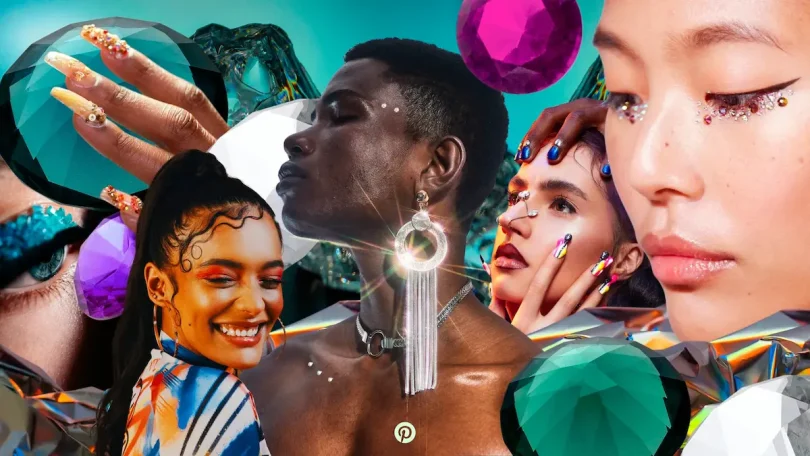

If you’ve been curious about what’s shaping modern life, you’re in the right place. The latest lifestyle trends reveal how people are adapting their habits, priorities, and choices to align with health, technology, sustainability, and meaningful experiences. These trends aren’t just fads—they’re reflections of a world that’s evolving rapidly, encouraging us to live more intentionally.
In this guide, we’ll explore the trends that are dominating 2026 and why they matter for your day-to-day life.
1. Wellness and Mindful Living
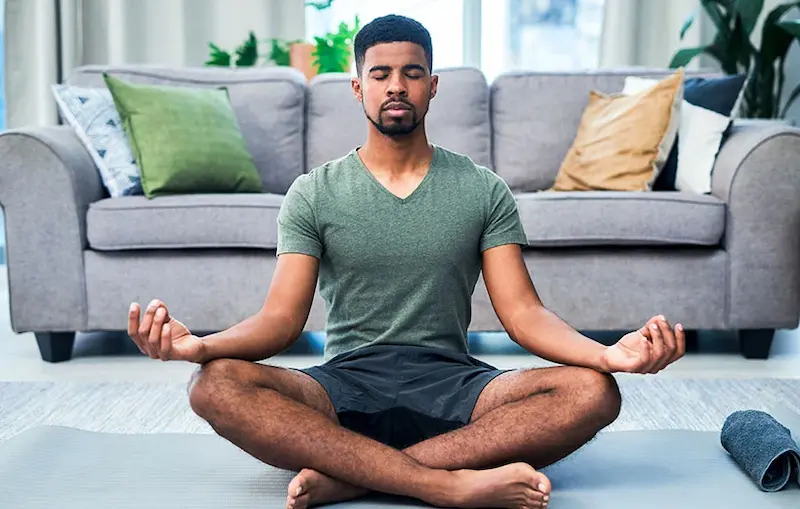
Wellness is no longer just about hitting the gym or eating healthy—it’s about the complete mind-body experience. In today’s fast-paced world, mental health and mindfulness are at the forefront of lifestyle choices. People are increasingly recognizing that managing stress, building resilience, and staying mentally sharp is just as important as physical fitness.
Why it matters:
Chronic stress, anxiety, and burnout are real concerns, especially with work-from-home culture and digital overload. Mindful living provides a way to stay centered and intentional.
How it’s showing up:
- Meditation and breathwork apps: Apps like Calm and Headspace are seeing more daily users as people integrate short meditation sessions into their routines.
- Yoga and functional fitness: Beyond aesthetics, workouts that focus on flexibility, mobility, and mental focus are trending.
- Mindful eating: People are paying attention to how food affects mood and energy levels, rather than just calories.
2. Sustainability and Eco-Conscious Living
One of the most impactful latest lifestyle trends is sustainability. More than ever, consumers are considering the environmental footprint of their choices, from what they eat to what they wear. Living sustainably is now a statement about values and responsibility.
Why it matters:
Environmental degradation and climate change are urgent issues. Lifestyle shifts towards sustainability reflect not just personal health but global awareness.
Practical ways it’s happening:
- Eco-friendly fashion: Thrifting, second-hand shopping, and slow fashion brands are gaining popularity.
- Minimalist living: People are decluttering their homes and embracing multipurpose furniture to reduce waste.
- Zero-waste habits: Reusable bottles, bamboo cutlery, and sustainable packaging are mainstream.
- Green travel: Travelers choose eco-lodges, local transportation, and low-impact vacations.
3. Tech-Integrated Lifestyles
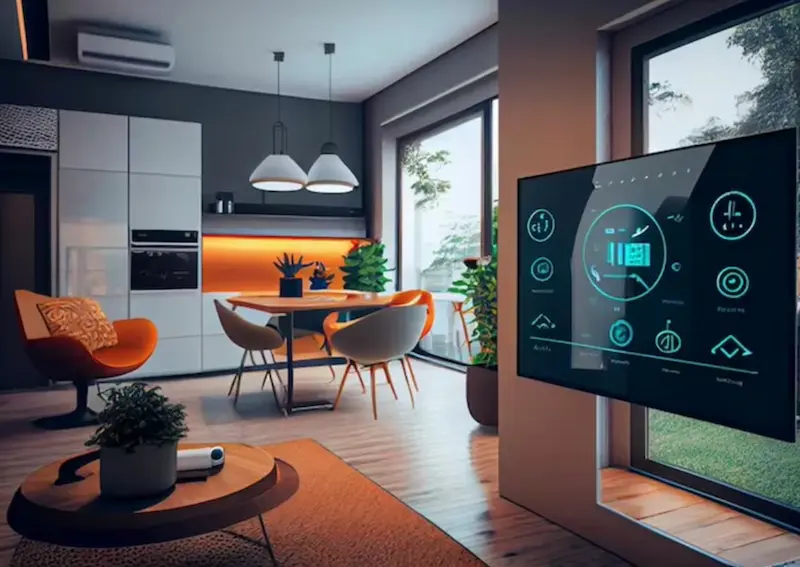
Technology is no longer just a tool—it’s an integral part of modern living. Smart devices, AI assistants, and wearable tech are helping people optimize their routines and track health metrics like never before.
Why it matters:
With busy schedules and the desire for efficiency, technology helps reduce friction in everyday life, freeing up time for hobbies, self-care, and experiences.
Examples of tech integration:
- Smart homes: Thermostats, lights, and security systems that can be controlled remotely.
- Health tracking: Wearables like smartwatches track heart rate, sleep quality, and activity levels.
- Virtual assistants: AI-powered apps help manage calendars, reminders, and even grocery shopping.
- Personalized digital content: Streaming services, e-learning platforms, and social media feeds are curated for individual preferences.
4. Home-Centric Living
After years of remote work and lockdowns, our homes have become multifunctional spaces. The latest lifestyle trends show that people are investing more in their living environments, turning them into spaces that support work, wellness, and leisure.
Why it matters:
Our surroundings affect productivity, mood, and creativity. Designing a home that balances function and comfort can enhance quality of life.
How this trend appears:
- Home offices: Ergonomic furniture and aesthetically pleasing setups are essential for remote work.
- Home cooking and baking: Cooking has become a creative outlet and a way to maintain health.
- Interior personalization: People are incorporating plants, artwork, and lighting to make spaces feel uniquely theirs.
You may also like to read this:
Global Culture Stories: Explore Traditions & Festivals
Discover Traditions And Customs Insights Across The World
Explore Heritage And Culture News Around The World
Cultural Awareness Tips: Thrive In A Multicultural World
Discover Unique Culture Perspectives For Personal Growth\
5. Experiential Over Material
More people are prioritizing experiences over possessions. Travel, unique activities, and social experiences are becoming more valuable than material goods. The shift is about creating memories that last longer than items on a shelf.
Why it matters:
Experiences often lead to more lasting happiness than material purchases because they foster connection, growth, and joy.
Examples of experiential living:
- Adventure travel: Hiking, scuba diving, and off-the-beaten-path destinations are on the rise.
- Workshops and skill-building: Cooking classes, pottery, photography, and music lessons are popular ways to invest in personal growth.
- Social activities: Pop-up events, retreats, and community gatherings are highly valued.
6. Personalized Self-Care
Self-care in 2026 is highly personalized. Instead of following generic advice, people are turning to tailored routines for skincare, nutrition, fitness, and mental health. Personalized self-care reflects the idea that one-size-fits-all solutions rarely meet modern needs.
Why it matters:
Individualized self-care supports both mental and physical well-being. It’s about understanding your unique body, lifestyle, and preferences.
How personalization is applied:
- Custom skincare and beauty products: Skincare lines offering AI analysis or DNA-based recommendations are trending.
- Nutrition plans: Subscription meal kits and apps provide diet plans based on health data.
- Fitness programs: Personalized workout regimens, including virtual trainers and AI coaching, are in high demand.
7. Digital Nomad and Remote Work Culture
The remote work trend has transformed into a lifestyle choice. Many are embracing the freedom to work from anywhere, blending travel with career responsibilities.
Why it matters:
Flexibility in work arrangements contributes to life satisfaction, reduces stress from commuting, and allows for more global experiences.
How people are living it:
- Co-working spaces in scenic locations
- Long-term stays in different countries while working online
- Communities and networks built around digital nomadism
Conclusion
The latest lifestyle trends are about balance, intentionality, and making choices that enhance well-being, sustainability, and personal fulfillment. From wellness and mindfulness to eco-conscious living, smart technology integration, and prioritizing experiences, these trends show that people today value quality of life over convenience or accumulation.
By embracing some of these changes, you can align your life with the rhythms of modern living, stay ahead of trends, and enjoy a more meaningful, mindful existence.
FAQs About Latest Lifestyle Trends
Q1: What are the main lifestyle trends in 2026?
Key trends include wellness and mindfulness, sustainable living, tech integration, home-focused lifestyles, experiential living, personalized self-care, and digital nomadism.
Q2: How can I adopt these trends?
Start small: meditate, choose eco-friendly products, personalize fitness and wellness routines, enhance your home space, and focus on experiences over material things.
Q3: Why is sustainability popular?
People are more conscious of their environmental impact, embracing eco-friendly products, minimalism, and ethical brands to live responsibly.
Q4: How has technology shaped lifestyle trends?
Smart devices, wearables, and AI apps help manage health, work, and daily routines efficiently, making tech a key part of modern life.
Q5: What does experiential living mean?
It’s prioritizing experiences like travel, workshops, and social events over material possessions for long-term happiness.