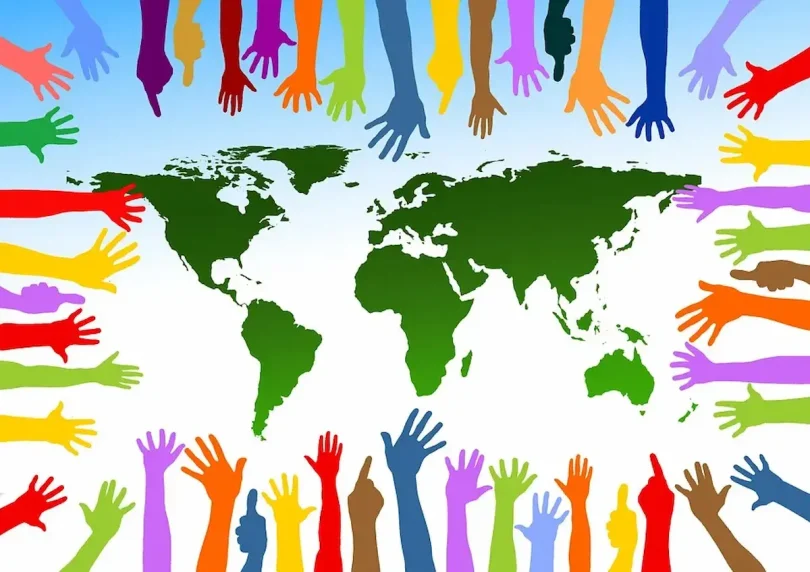

Have you ever wondered what life is like for people on the other side of the planet? Or how a festival in India can be both similar and completely different from a celebration in Brazil? That’s where global culture stories come in. These stories allow us to peek into the everyday lives, traditions, beliefs, and experiences of people from all corners of the world. They don’t just entertain—they educate, inspire empathy, and make us realize how interconnected we all truly are.
Whether it’s tasting street food in Morocco, witnessing a lantern festival in Thailand, or listening to an Inuit story in Canada, global culture stories help us understand people beyond headlines or stereotypes. Let’s dive deeper into what makes these stories so captivating and why they matter now more than ever.
What Are Global Culture Stories?
Global culture stories are narratives that reflect the rich tapestry of human life around the world. They can be:
- Personal experiences shared by individuals about their daily life, traditions, or celebrations.
- Historical accounts explaining how traditions or cultural practices came to be.
- Modern narratives documenting trends, lifestyles, and innovations in different countries.
In essence, these stories are windows into how humans live, interact, celebrate, and solve problems across cultures. They help us recognize that while our ways of life may differ, the emotions, challenges, and joys we experience are often universal.
The Importance of Global Culture Stories
Why should we care about global culture stories? The reasons go beyond curiosity—they are essential for building a connected and empathetic world:
- Fostering Empathy and Understanding
Reading or listening to stories about other cultures helps us see the world through someone else’s eyes. We learn to appreciate their struggles and achievements, which reduces bias and misunderstandings. - Preserving Cultural Heritage
Many traditions are at risk of fading due to modernization. Stories preserve languages, rituals, art forms, and folklore for future generations. - Promoting Diversity and Inclusion
Exposure to diverse cultural stories encourages respect for differences and highlights the beauty of human variety in workplaces, schools, and communities. - Inspiring Travel and Exploration
Hearing about a festival in Spain or a culinary tradition in Japan might motivate someone to explore new places and immerse themselves in a culture firsthand. - Encouraging Global Collaboration
Understanding different cultures fosters better collaboration in international business, education, and social projects.
Popular Types of Global Culture Stories
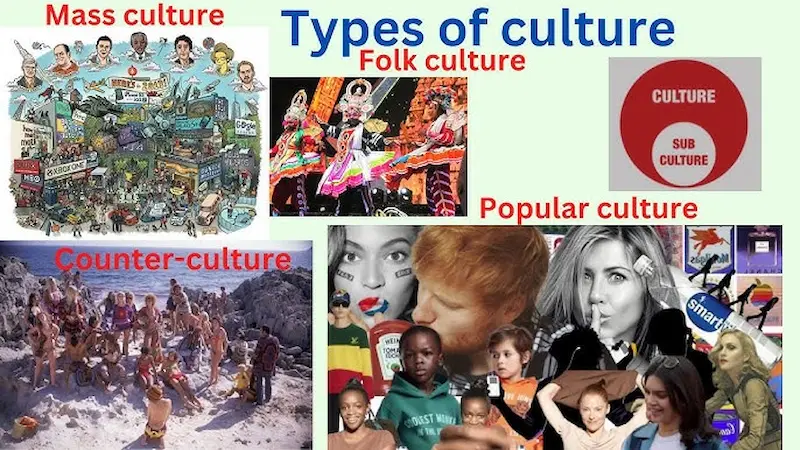
Global culture stories are diverse, just like the world itself. Here are the most common types:
1. Festivals and Celebrations
Festivals are windows into a culture’s values, history, and collective spirit. For example:
- Diwali in India celebrates light triumphing over darkness, with rituals, sweets, and fireworks.
- Carnival in Brazil showcases music, dance, and vibrant costumes that unite communities.
- Hanami in Japan is a serene celebration of cherry blossoms, reflecting appreciation for nature and fleeting beauty.
2. Food and Culinary Traditions
Food is more than sustenance—it’s culture on a plate. Stories about food connect us through taste, tradition, and creativity:
- Moroccan tagines tell a story of spices, trade, and family traditions.
- Italian pasta-making illustrates the importance of family recipes passed down through generations.
- Street food in Bangkok reflects the fusion of flavors and cultures in everyday life.
3. Art, Music, and Dance
Creative expression transcends language. Global culture stories about art or music highlight emotions, identity, and social commentary:
- Flamenco dancing in Spain tells stories of love, struggle, and passion.
- Aboriginal Australian dot paintings preserve ancestral stories and Dreamtime beliefs.
- Hip-hop in New York reflects urban life, social struggles, and creative resistance.
4. Personal Narratives
Individual stories offer intimate glimpses into how culture shapes daily life. From a fisherman in Iceland to a tea farmer in Sri Lanka, these personal accounts reveal resilience, family dynamics, and cultural values.
5. Folklore and Historical Tales
Legends, myths, and historical events preserve identity and teach moral lessons. These stories are often passed down orally, connecting generations through shared wisdom.
You may also like to read this:
Cultural Insights Articles: Understanding Global Customs
Discover Traditions And Customs Insights Across The World
Explore Heritage And Culture News Around The World
Cultural Awareness Tips: Thrive In A Multicultural World
How to Experience Global Culture Stories
You don’t need a plane ticket to explore global culture stories. Here are practical ways to engage:
- Books and Blogs
Travel memoirs, cultural essays, and blogs offer detailed stories about traditions, festivals, and lifestyles. - Documentaries and Movies
Visual storytelling captures the sights, sounds, and emotions of cultures in a way words sometimes cannot. - Podcasts and Audio Stories
Podcasts provide first-hand accounts of cultural experiences, from street vendors to artists and historians. - Social Media Platforms
Creators from around the world share daily life, food, music, and rituals, making culture accessible instantly. - Local Cultural Events
Even in your city, attending multicultural fairs, food festivals, or museum exhibitions can provide a taste of global culture.
Challenges in Sharing Global Culture Stories
While global culture stories are powerful, they come with challenges:
- Cultural Appropriation vs. Appreciation – Sharing stories respectfully requires understanding and acknowledgment of origins.
- Misrepresentation – Simplified or stereotyped portrayals can distort understanding.
- Language Barriers – Stories lose nuance when translated, making authentic representation more difficult.
Being aware of these challenges ensures that sharing global culture stories remains respectful and enriching.
FAQs About Global Culture Stories
Q1: Can global culture stories influence modern society?
A: Absolutely! Fashion, music, cuisine, and technology often draw inspiration from global cultural narratives.
Q2: Are these stories only about ancient traditions?
A: No, they also include contemporary lifestyles, innovations, and personal experiences reflecting today’s culture.
Q3: How can I create my own global culture story?
A: Document your experiences, share insights on social media, write blogs, or create short videos that explore cultural practices you encounter.
Q4: Why should children learn about global culture stories?
A: It builds curiosity, empathy, and appreciation for diversity from an early age, shaping open-minded future citizens.
Conclusion
Global culture stories are more than just fascinating tales—they are bridges that connect us across oceans, borders, and languages. They teach us empathy, preserve heritage, and celebrate the diversity that makes humanity so rich. Whether you read, watch, or listen to these stories, they have the power to transform your perspective and inspire you to explore the world in new ways.
Every story you encounter, whether it’s a festival in Peru or a street artist in South Korea, is an invitation to see life through someone else’s eyes. Embrace global culture stories—they make the world smaller, friendlier, and infinitely more interesting.