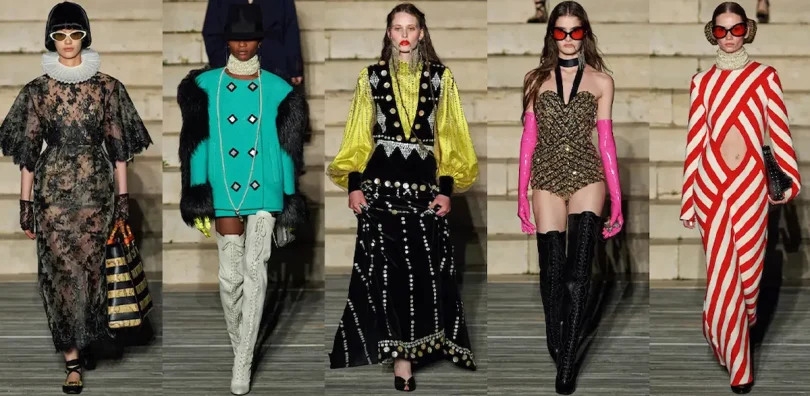

Fashion and culture trends are not just about what looks good on the outside—they are deeply connected to how people think, live, and express themselves. Every outfit you see around you tells a story influenced by history, tradition, technology, and social change.
Let’s take a detailed, easy-to-understand journey into how fashion and culture trends shape our daily lives and the world around us.
Understanding Fashion and Culture Trends
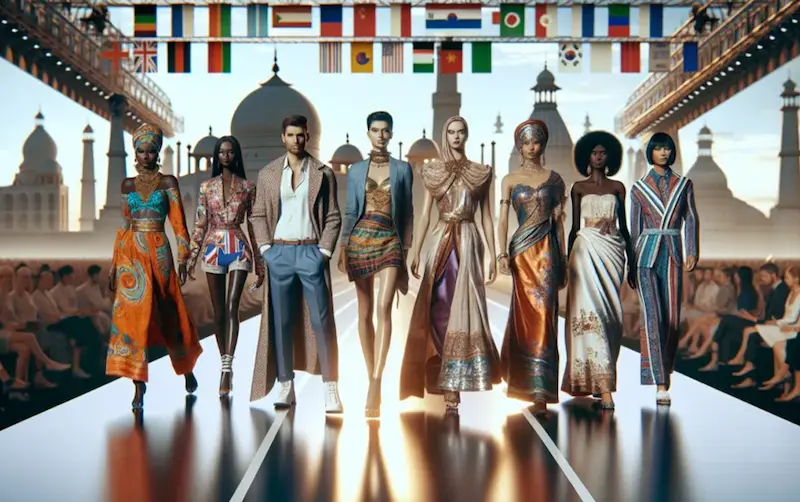
To truly understand fashion and culture trends, think of fashion as a mirror of society. When culture changes, fashion changes with it. What people wear often reflects what they value, what they believe in, and what they are experiencing at a particular time.
For example, during times of social change, fashion becomes bolder and more expressive. During difficult periods, people often choose comfort and practicality. These shifts show how closely fashion follows cultural moods.
Historical Influence on Fashion and Culture Trends
Fashion has always been shaped by cultural history. Traditional clothing from different regions has influenced modern fashion more than we realize.
- Ancient civilizations used clothing to show social status
- Cultural traditions passed designs from generation to generation
- Historical events changed how people dressed for practicality or symbolism
Many of today’s fashion and culture trends are inspired by vintage styles, traditional textiles, and old craftsmanship reimagined for modern life.
The Impact of Global Cultures on Modern Fashion
One of the most exciting aspects of fashion and culture trends today is cultural exchange. As the world becomes more connected, styles from different countries blend together.
- Eastern embroidery appears in Western fashion
- African prints influence global streetwear
- South Asian fabrics inspire luxury designers
This global mix allows people to explore different cultures through fashion while appreciating their uniqueness.
Social Movements and Their Role in Fashion
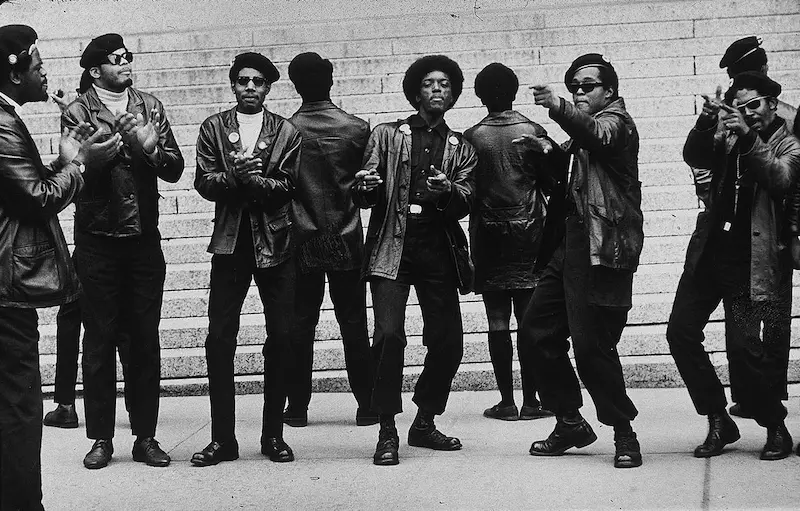
Social change has a powerful impact on fashion and culture trends. Clothing often becomes a form of protest, unity, or identity.
- Gender-neutral fashion reflects changing views on identity
- Modest fashion represents personal and cultural values
- Statement clothing supports social causes and awareness
Fashion gives people a way to speak without words and stand for what they believe in.
Technology and Digital Influence on Fashion
Technology has transformed fashion and culture trends in ways we never imagined.
- Online shopping changed how people buy clothes
- Social media created fast-moving trends
- Digital fashion and virtual styling are emerging
Fashion is no longer limited to runways. Everyday people now influence trends just as much as designers.
Sustainability as a Cultural Shift in Fashion
Sustainability is one of the most important fashion and culture trends today. People are becoming more mindful of the environment and ethical practices.
- Thrifting and second-hand fashion are growing
- Eco-friendly fabrics are gaining popularity
- Slow fashion promotes quality over quantity
This trend shows how culture is moving toward responsibility and conscious choices.
You may also like to read this:
Discover Traditions And Customs Insights Across The World
Explore Heritage And Culture News Around The World
Cultural Awareness Tips: Thrive In A Multicultural World
Discover Unique Culture Perspectives For Personal Growth\
Top Latest Lifestyle Trends For Modern Living 2026
Youth Culture and Street Style Influence
Young people play a major role in shaping fashion and culture trends. Street fashion, music, and social media combine to create powerful style movements.
- Streetwear reflects creativity and freedom
- Music genres influence clothing aesthetics
- Youth trends challenge traditional fashion rules
These styles often start locally and quickly become global trends.
Fashion as Personal and Cultural Identity
Fashion helps people express who they are. What you wear often shows your background, beliefs, and personality.
Fashion and culture trends allow individuals to:
- Celebrate heritage
- Show creativity and confidence
- Connect with communities
You don’t need to follow every trend—fashion works best when it feels personal and meaningful.
The Future of Fashion and Culture Trends
Looking ahead, fashion and culture trends will continue to evolve with society.
- Technology will blend more with fashion
- Cultural inclusivity will grow stronger
- Sustainability will become the norm
Fashion will remain a powerful way to tell human stories across cultures and generations.
Conclusion
Fashion and culture trends are a living reflection of our world. They capture history, emotions, beliefs, and innovation all in one. As culture grows and changes, fashion will always follow—helping people express themselves in ways that feel authentic and meaningful.
FAQs: Fashion and Culture Trends
1. What are fashion and culture trends?
Fashion and culture trends refer to how clothing styles, accessories, and overall fashion choices are influenced by cultural values, traditions, social movements, and lifestyle changes. They show how society expresses ideas and identity through fashion.
2. How are fashion and culture trends connected?
Fashion and culture trends are closely linked because fashion reflects cultural beliefs, history, and social behavior. When culture evolves due to technology, global interaction, or social change, fashion naturally changes with it.
3. Why do fashion and culture trends change so often?
Fashion and culture trends change as people’s lifestyles, values, and influences shift. Factors like social media, global events, youth culture, and innovation push trends to evolve quickly to match modern thinking.
4. How does social media influence fashion and culture trends?
Social media spreads fashion and culture trends faster than ever. Influencers, celebrities, and everyday users share styles online, making local fashion ideas popular worldwide in a very short time.
5. What role does tradition play in fashion and culture trends?
Traditional clothing, fabrics, and designs inspire modern fashion. Many fashion and culture trends combine traditional elements with contemporary styles to preserve cultural identity while staying fashionable.