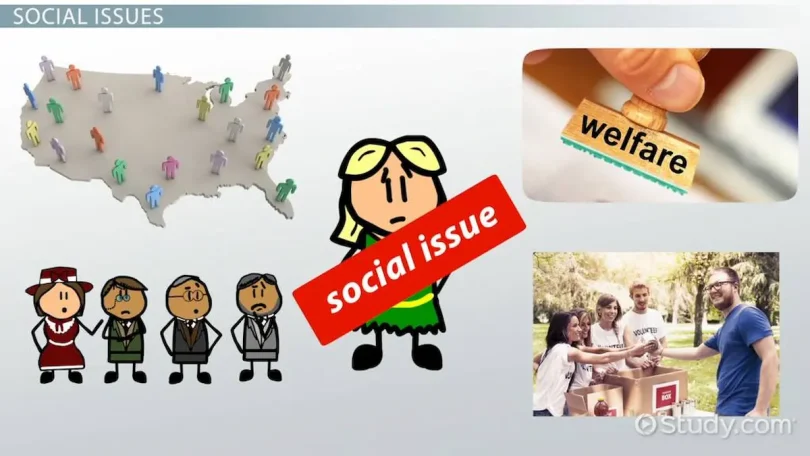

When we talk about an analysis of social issues, we are not just discussing problems in theory—we are talking about real-life challenges that affect people every single day. These issues shape how societies grow, how individuals think, and how communities function.
Understanding them in detail helps us move from confusion and blame toward awareness and meaningful change. So, let’s talk about this in a clear, friendly, and practical way.
What Is an Analysis of Social Issues?

An analysis of social issues means carefully studying problems that affect a large group of people in society. This includes understanding their causes, their impact, and possible solutions. Instead of asking “What is wrong?”, analysis asks “Why is this happening, who is affected, and what can be done?”
Social issues don’t appear overnight. They develop over time due to economic conditions, cultural beliefs, political decisions, technological changes, and historical inequalities. When we analyze these issues, we begin to see how deeply connected everything really is.
Why Detailed Analysis of Social Issues Matters
Without proper understanding, social problems are often misunderstood or oversimplified. People may blame individuals instead of systems, or focus on short-term fixes instead of long-term solutions.
A detailed analysis of social issues helps:
- Identify root causes instead of surface-level symptoms
- Reduce stereotypes and misinformation
- Encourage empathy and social responsibility
- Guide governments, organizations, and individuals toward better decisions
In simple terms, analysis turns emotion into understanding and understanding into action.
Major Social Issues and Their Deeper Impact
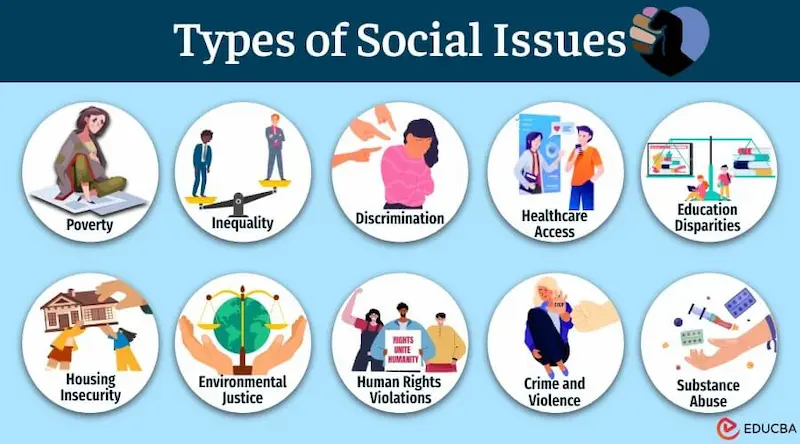
1. Poverty and Economic Inequality
Poverty is not just about low income; it affects nutrition, education, healthcare, and self-worth. Economic inequality creates a divide where opportunities are available to some but denied to others.
A proper analysis of social issues shows that poverty is linked to:
- Limited access to quality education
- Unemployment or low-wage jobs
- Rising living costs
- Weak social safety systems
When people remain stuck in poverty, it becomes a cycle that passes from one generation to the next.
2. Unemployment and Job Insecurity
Job insecurity creates stress, lowers self-esteem, and affects mental health. Many people work long hours but still struggle to meet basic needs.
An in-depth analysis of social issues reveals factors like:
- Automation and technology replacing jobs
- Mismatch between education and job market needs
- Economic instability and poor labor policies
This issue affects not only individuals but entire families and communities.
3. Mental Health as a Social Issue
Mental health is often treated as a personal problem, but it is deeply social. Stress, anxiety, depression, and burnout are influenced by financial pressure, social expectations, isolation, and work culture.
Through an analysis of social issues, we understand that:
- Mental health stigma prevents people from seeking help
- Lack of affordable healthcare worsens the problem
- Social media creates unrealistic comparisons and pressure
Mental well-being should be seen as a shared responsibility, not an individual failure.
4. Education Inequality
Education is a powerful tool for change, yet access to quality education is unequal. Some students have modern classrooms and digital tools, while others lack basic resources.
A detailed analysis of social issues shows that education gaps are influenced by:
- Income level and location
- Gender discrimination
- Outdated teaching systems
- Limited access to technology
Without equal education, social mobility becomes almost impossible.
5. Gender Inequality and Social Discrimination
Despite progress, gender inequality remains a major social issue. Women and marginalized groups often face unequal pay, limited opportunities, and safety concerns.
An honest analysis of social issues highlights:
- Cultural norms and stereotypes
- Lack of legal enforcement
- Workplace discrimination
- Unequal access to leadership roles
Discrimination damages not just individuals but the overall growth of society.
The Influence of Media and Technology
Technology has transformed how we communicate and learn. While it spreads awareness quickly, it can also spread misinformation, hatred, and unrealistic standards.
An analysis of social issues in the digital age includes:
- The role of social media in shaping opinions
- Online bullying and mental health effects
- The spread of false information
Understanding this helps us use technology responsibly instead of letting it control us.
You may also like to read this:
Top Social Commentary Articles To Understand Modern Society
Opinion on Society Issues: Insights on Today’s Challenges
Thoughtful Social Analysis: Understanding Society Deeply
Current Events Social Commentary: Insights on Today’s World
Society Trends Commentary: How Society Is Changing Today
How Society Can Respond to Social Issues
Solving social issues doesn’t require everyone to be an expert. Small, consistent actions matter.
Here’s what helps:
- Promoting education and awareness
- Encouraging open and respectful dialogue
- Supporting fair policies and social programs
- Practicing empathy in daily life
A thoughtful analysis of social issues encourages cooperation instead of conflict.
Conclusion: Why Understanding Social Issues Is Everyone’s Responsibility
A detailed analysis of social issues helps us see society as a shared space where everyone’s actions matter. These problems are complex, but ignoring them only makes them worse. When we understand the root causes and real impacts, we become better equipped to support change—whether through conversation, community action, or policy awareness.
In the end, social issues are not “someone else’s problem.” They are part of our collective reality, and understanding them deeply is the first step toward building a more fair, supportive, and human society.
FAQs: Analysis of Social Issues
1. What is meant by an analysis of social issues?
An analysis of social issues means studying social problems in depth to understand their causes, effects, and possible solutions. It goes beyond identifying a problem and focuses on why it exists and how it impacts individuals and society as a whole.
2. Why is the analysis of social issues important?
The analysis of social issues is important because it helps people understand the root causes of problems instead of blaming individuals. It encourages awareness, empathy, and informed decision-making, which are necessary for creating long-term social change.
3. What are some common social issues analyzed today?
Common topics in the analysis of social issues include poverty, unemployment, mental health challenges, education inequality, gender discrimination, social injustice, and the impact of technology and media on society.
4. How does analyzing social issues help society?
Analyzing social issues helps society by identifying patterns, highlighting inequalities, and guiding effective solutions. It allows governments, communities, and individuals to develop better policies and actions that improve overall social well-being.
5. Can individuals contribute to the analysis of social issues?
Yes, individuals can contribute by staying informed, questioning stereotypes, listening to different perspectives, and engaging in respectful discussions. Even small efforts like spreading awareness or supporting community initiatives matter.