
Lifestyle improvement guides are designed to help you slowly and realistically improve your life without feeling overwhelmed. If you’re reading this, chances are you want things to be better—more balance, less stress, better health, and a clearer mind. That’s completely normal. The truth is, improving your lifestyle doesn’t mean changing everything overnight. It means making smarter, kinder choices for yourself, one step at a time.
Let’s walk through this together in a calm, honest, and user-friendly way—like a real conversation.
Understanding Lifestyle Improvement: What It Really Means
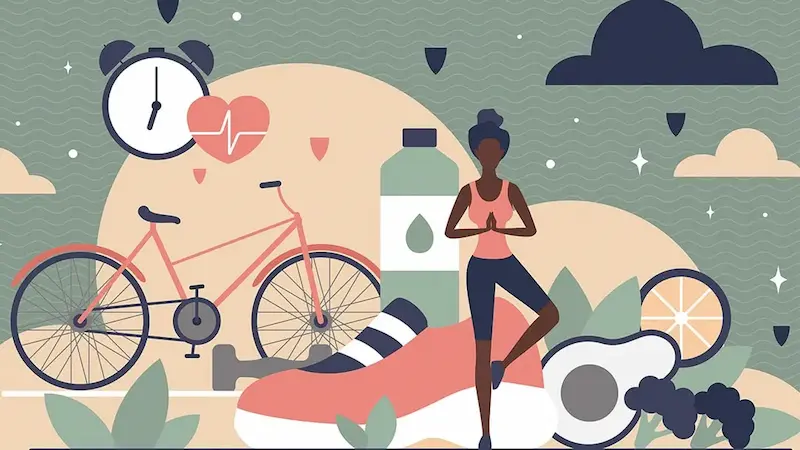
Lifestyle improvement is not about copying someone else’s routine or following strict rules. It’s about creating a life that works for you.
Good lifestyle improvement guides focus on:
- Physical health
- Mental and emotional well-being
- Daily habits and routines
- Relationships and social balance
- Personal growth and self-awareness
The goal isn’t perfection. The goal is steady improvement.
Why Lifestyle Improvement Matters More Than Ever
Modern life is fast, noisy, and demanding. Many people feel:
- Constantly tired
- Mentally overwhelmed
- Emotionally drained
- Stuck in unhealthy routines
Lifestyle improvement guides help you slow down, reflect, and make better choices that support your long-term happiness instead of short-term relief.
Step 1: Building the Right Mindset for Change
Before changing habits, you must change how you think about change.
Key mindset principles:
- Progress over perfection: Small steps count
- Self-compassion: Mistakes are part of growth
- Patience: Real change takes time
If you’re harsh with yourself, improvement feels like punishment. When you’re kind to yourself, improvement feels empowering.
Step 2: Creating Healthy Daily Habits That Stick
Habits shape your lifestyle more than motivation ever will.
Simple daily habits to start with:
- Wake up and sleep at consistent times
- Drink water first thing in the morning
- Spend 10–15 minutes moving your body
- Take short breaks away from screens
Lifestyle improvement guides emphasize consistency because small habits done daily are more powerful than big habits done once.
Step 3: Improving Physical Health Without Pressure
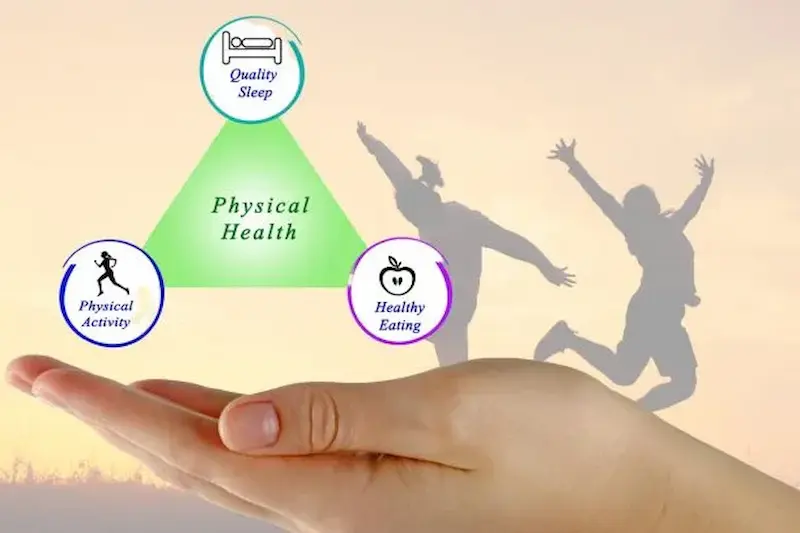
You don’t need extreme diets or intense workouts.
Practical physical health improvements:
- Eat more whole foods, not fewer calories
- Walk regularly—it’s underrated and effective
- Stretch your body to release tension
- Prioritize sleep as much as productivity
When your body feels supported, your mind follows.
Step 4: Emotional and Mental Well-Being Comes First
Many people ignore emotional health until they burn out.
Ways to support mental and emotional balance:
- Journal your thoughts instead of holding them in
- Practice deep breathing during stressful moments
- Limit exposure to negativity (news, social media)
- Ask for help when you need it
Lifestyle improvement guides remind us that emotional strength is built through awareness, not suppression.
Step 5: Managing Stress in a Healthier Way
Stress is unavoidable, but suffering doesn’t have to be.
Healthier stress-management techniques:
- Break tasks into smaller steps
- Say no without guilt
- Schedule time to rest, not just work
- Learn to pause instead of reacting
Reducing stress improves your health, focus, and relationships.
You may also like to read this:
Society Trends Commentary: How Society Is Changing Today
Analysis of Social Issues For Students And General Readers
Daily Lifestyle Guides: Tips For Healthier, Happier Living
Top Healthy Lifestyle Tips For A Happier And Healthier Life
Practical Lifestyle Advice To Improve Your Everyday Living
Step 6: Time and Energy Management That Makes Sense
Being busy doesn’t always mean being productive.
Smarter time-management habits:
- Plan your day around energy levels, not just time
- Focus on 3 main priorities daily
- Avoid multitasking—it drains mental energy
- End your day with a simple reflection
Lifestyle improvement guides teach that managing energy is more important than managing hours.
Step 7: Improving Relationships and Social Life
Your lifestyle is strongly influenced by the people around you.
Relationship improvements to consider:
- Spend more time with supportive people
- Set boundaries with draining individuals
- Communicate openly instead of assuming
- Learn to listen without interrupting
Healthy relationships reduce stress and increase emotional stability.
Step 8: Financial Habits That Support Peace of Mind
Money stress affects sleep, mood, and confidence.
Simple financial lifestyle upgrades:
- Track expenses without judging yourself
- Create a basic monthly budget
- Save small amounts regularly
- Avoid emotional spending
Lifestyle improvement guides often highlight that financial awareness equals mental freedom.
Step 9: Personal Growth and Self-Development
A fulfilling lifestyle includes growth.
Easy ways to grow personally:
- Read or listen to educational content
- Learn new skills at your own pace
- Reflect on your goals regularly
- Celebrate small wins
Growth doesn’t have to be fast—it just has to be honest.
Step 10: Making Lifestyle Improvement Sustainable
The most important rule: Don’t make your life harder in the name of improvement.
Ask yourself:
- Can I maintain this long-term?
- Does this reduce stress or add to it?
- Can I adjust instead of quitting?
Lifestyle improvement guides work best when they fit your real life, not an ideal version of it.
Final Thoughts: Your Lifestyle, Your Journey
Lifestyle improvement guides are not about becoming someone else. They’re about becoming a healthier, calmer, and more confident version of yourself—at your own pace.
Start small. Stay consistent. Be patient with yourself. Every positive choice, no matter how small, moves you forward.
FAQs
1. What are lifestyle improvement guides?
Lifestyle improvement guides are practical resources that help you improve different areas of your life, such as health, mindset, habits, relationships, and daily routines. They focus on small, realistic changes that can be maintained long-term instead of extreme or short-term solutions.
2. Who should follow lifestyle improvement guides?
Anyone who wants a better, more balanced life can benefit from lifestyle improvement guides. Whether you’re feeling stressed, stuck, unmotivated, or simply want to upgrade your daily habits, these guides are helpful for beginners and experienced self-improvers alike.
3. How do lifestyle improvement guides help in daily life?
Lifestyle improvement guides help you:
Build healthy routines
Reduce stress and mental overwhelm
Improve physical and emotional well-being
Manage time and energy better
Create long-term positive habits
They make life feel more manageable and purposeful.
4. Do lifestyle improvement guides require major lifestyle changes?
No, and that’s the best part. Lifestyle improvement guides encourage small, gradual changes. You don’t need to change everything at once. Even simple habits like drinking more water, sleeping better, or managing time wisely can make a big difference.
5. How long does it take to see results from lifestyle improvement guides?
Results vary from person to person. Some people notice improvements in mood and energy within a few days, while bigger changes may take weeks or months. Lifestyle improvement guides focus on long-term growth, not instant results.